

Let’s talk about personal branding.
I know. It sounds like one of those things you’re supposed to care about when you’re contracting, alongside networking, updating your LinkedIn profile and somehow finding the time to do your actual job.
But stick with me, because this matters. And this is a two-parter!

You can be brilliant at what you do. You can have years of experience, a track record of delivering projects, solving problems and making things happen. You can be the person clients trust when everything is going sideways.
But if the right people don’t know who you are, what you do or why they should work with you, you could be missing out on opportunities.
And that’s the problem. Too many talented contractors are the best kept secret in their industry.
We focus on doing a good job and assume the work will speak for itself. Sometimes it does. But not always. Especially when you’re contracting, where opportunities can come through relationships, recommendations, recruiters and people remembering you at exactly the right moment.
Being good at your job matters. Making sure people understand how good you are matters too.
So, how do you build a personal brand that feels like you, attracts the right opportunities and supports the business you want to build?
1. Personal branding starts with knowing who you are
Your personal brand is what people think of you when you’re not in the room.
It’s what people say when your name comes up in a conversation. It’s the strengths they associate with you, the problems they trust you to solve and the reasons they might recommend you for a contract.
You don’t have to be an influencer. (So please stop falling into that trap). I promise you - You don’t need thousands of followers. And you certainly don’t need to turn your entire life into content. (please, for the love of all the good things in the world, do not f*cking do this).

You do, however, need to be clear about what you bring to the table.
I like to start with four foundations: the four Vs of branding.
Vision: Why do you do what you do?
What matters to you about your work? What do you want to achieve? What kind of work do you want more of?
Perhaps you love bringing order to chaos. Maybe you enjoy helping organisations navigate change, solving complicated technical problems or making sure people are heard when decisions are being made.
Your vision helps you understand what motivates you and where you want your career to go.
Values: How do you work?
What do you stand for? What do you want clients and colleagues to experience when they work with you?
Independence, honesty, flexibility, collaboration and curiosity might all feature. Your values influence how you make decisions, how you build relationships and the kind of clients you want to work with.
They also help you decide what you don’t want. And that’s just as important.
Voice: How do you express yourself?
Are you direct and analytical? Warm and collaborative? A challenger who asks the questions nobody else wants to ask?
Your voice should reflect who you are. You don’t need to sound like a corporate brochure to be taken seriously, and you don’t need to copy someone else’s style because it seems to work for them.
Visuals: What does your brand look and feel like?
Think about your LinkedIn profile, CV, website, portfolio and presentation materials. Do they feel consistent? Do they reflect the professional you are today?
You don’t need an expensive rebrand. You do need to make it easy for people to recognise you and understand what you offer.
These four foundations give you something much more useful than a nice colour palette. They give you a starting point for communicating your value.
2. Stop trying to be everything to everyone
This is where things get interesting.
As contractors, we often have a broad range of skills. We actually discussed this a few weeks ago here:

We’ve all worked across different organisations, industries, projects and teams. We’ve learned to adapt, pick things up quickly and get stuck into whatever needs doing.
That’s one of our strengths.
But when someone asks what you do, explaining every single thing you can do isn’t necessarily going to help them remember you.
Your experience might be broad, but your positioning needs to be clear.
Think about the common thread running through your work. What do people consistently come to you for? What problems do you seem to solve particularly well? What do you enjoy doing so much that you lose track of time?
Perhaps you’re a project manager, a change specialist and a communications professional. The thread connecting those skills might be your ability to bring people together and help organisations deliver change.
Perhaps you’re a business analyst with experience across several sectors, but your real strength is making complex information understandable and helping people make better decisions.
You don’t have to abandon your other skills. You need to help people understand how they fit together.
Try completing this sentence:
I help [the people or organisations you work with] solve [the problem they face] by bringing [your particular skills, experience or approach].
Don’t worry about making it sound clever. Start with something that’s true.
Your positioning should help someone understand when to call you, why they might need you and what makes working with you different.
(Or take a look at a theme - see previous article above).
3. Build a personal brand that reflects the work you actually want
Here’s a question worth asking yourself: does your current professional brand reflect where you want to go, or is it simply a record of where you’ve been?
Your LinkedIn profile, CV and professional introductions can easily become a collection of past roles and responsibilities. They’re useful, but they don’t always tell people what you want to be known for next.
If you want to move into more strategic work, for example, your profile needs to communicate more than your ability to complete tasks. It needs to show how you think, the problems you understand and the outcomes you help deliver.
If you’re moving from permanent employment into contracting, you may need to explain the value you bring as an independent professional.
And if you’re shifting your specialism, your brand needs to evolve with you.
This doesn’t mean changing your identity every six months because you’ve spotted someone doing something interesting on LinkedIn. It means reviewing your direction regularly and making sure your professional presence supports it.
A few useful questions to ask yourself:
What do I want to be known for?
Which clients, organisations or projects do I want to attract?
What problems can I help them solve?
What evidence do I have that I can deliver?
Does my LinkedIn profile and CV tell that story?
Your brand isn’t just about getting your next contract. It’s about building a professional reputation that supports the career and business you want.
4. Understand your clients, not just your competition
It’s tempting to spend time looking at other contractors and wondering how you compare.
What are they charging? How are they positioning themselves? What are they posting? Why do they seem to be getting all the opportunities?
Understanding your market is useful. But comparison can become a distraction if you spend more time studying everyone else than understanding the people who might hire you.
Start with your potential clients.
What are they struggling with? What pressures are they under? What happens if they don’t solve the problem? What would a good outcome look like for them?
A client bringing in a change contractor might not actually be looking for someone who can produce a change impact assessment. They might be worried about resistance, missed deadlines, poor adoption or a project that isn’t delivering the expected benefits.
A business hiring a communications contractor might need more than someone who can write. It might need someone who can turn complicated information into clear messages that help people understand what is happening and what they need to do.
The more you understand the problem behind the brief, the better you can explain your value.
Try creating a simple empathy map for your ideal client. Consider what they think, feel, say and do, alongside the challenges they face and the outcomes they want.
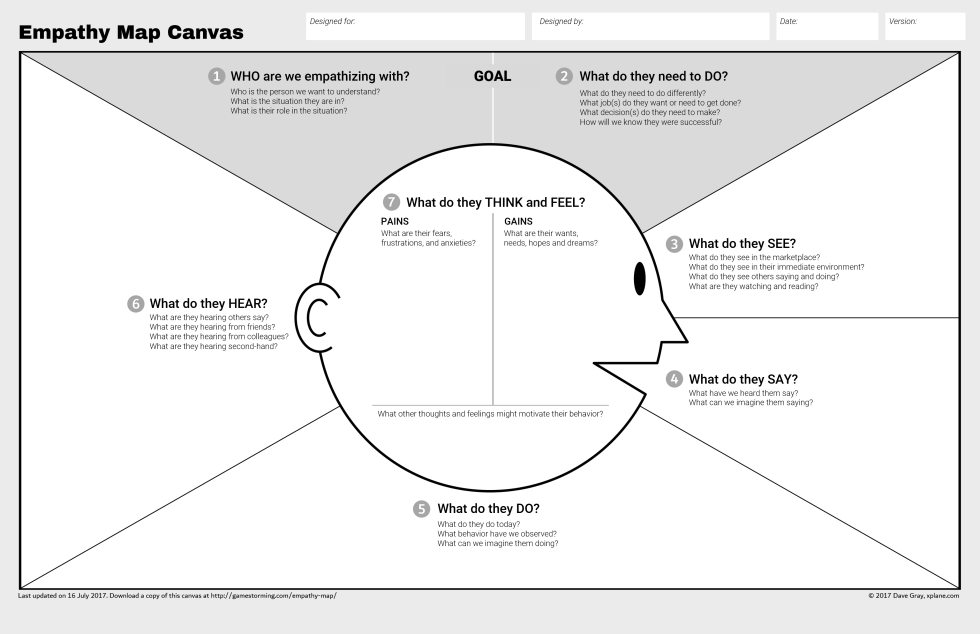
Then look at your services through their eyes.
Don’t just sell the task. Explain the problem you help solve and the difference your work makes.
That’s how you move the conversation from a list of responsibilities to the value you bring.
5. Make it easier for people to find you and remember you
You don’t need to be everywhere. In fact, trying to maintain a presence on every social media platform is a brilliant way to give yourself another job you didn’t ask for. Or burnout. Or both.
Instead, choose the places where your audience is most likely to be and where you can show up consistently.
For many contractors, LinkedIn is a sensible starting point. But it’s not the only option.
You could build your professional reputation through:
LinkedIn posts that share your experience, ideas and lessons learned.
A newsletter that explores your specialist subject in more depth.
Speaking at industry events or professional communities.
Guest articles, podcasts and round-table discussions.
Meaningful conversations with former clients, colleagues and people in your network.
The right approach depends on your personality, your industry and the people you want to reach.
If you love speaking but hate writing social media posts, explore speaking opportunities. If you prefer thoughtful, long-form content, a newsletter might be a better fit.
You don’t need to force yourself into someone else’s marketing strategy.
What matters is having a way to stay visible, demonstrate your expertise and build relationships over time.
What should you actually talk about?
This is where content pillars can help.
Choose four or five themes that connect your expertise, your values and the work you want to attract.
For example, a project management contractor might focus on delivery, stakeholder relationships, lessons learned, industry developments and career advice.
A change professional might explore organisational change, employee experience, leadership, communications and practical lessons from projects.
Your content doesn’t need to be groundbreaking every time. You can share a useful observation, explain something people often misunderstand, reflect on a challenge or offer a practical tip.
The point is to give people a clearer picture of how you think and work.
And please, don’t feel that every post needs to be a perfectly polished thought-leadership masterpiece. Sometimes a straightforward, useful observation is more valuable than a 12-slide carousel explaining something nobody asked about.
Consistency is useful. Authenticity is essential.
6. Use AI as a tool, not as your identity
Let’s talk about AI, because it can be incredibly useful when you’re building a business.
Tools such as ChatGPT and Claude can help you organise your ideas, brainstorm content, structure a website, edit a draft or turn a long piece of writing into something more concise.
They can save you time, particularly when you’re doing everything yourself.
But I’d encourage you to start with your own thinking.
Your experiences, opinions, working style and perspective are what make your professional brand distinctive. If you ask AI to invent your positioning, write your story and tell you what you stand for before you’ve done that thinking yourself, you risk ending up with something polished but completely interchangeable.
Start by answering the difficult questions in your own words. What have you learned? What do you believe? What do clients thank you for? What frustrates you about your industry? What do you wish more people understood?
Then use AI to help you organise and refine those ideas.
It’s the difference between using a tool to communicate your perspective and outsourcing the perspective itself.
One gives you support. The other risks making you sound like everyone else.
Part two incoming.
Next week I’ll be wrapping up this two-part-personal-brand-piece. Covering way we can talk about our achievements, getting more commercially savvy and finishing up with an action plan.
Anything that has resonated? Let’s chat.
Until next week,
Lucy xo
P.S. Check out our event schedule here. Hope to see you online soon!
P.P.S I also found this article when looking for Emily in Paris Memes and actually found it super interesting and useful for brand building: Lorin Creative